

Help
FAQ
Short answers to what you ask us most.
Where is Bodegas Sinforiano?
In Mucientes (Valladolid), within the D.O.Denomination of Origin: guarantees that the wine comes from and is made in a specific area under its own rules. Cigales, about 12 km from Valladolid, on the Mucientes–Villalba road, km 1.
Can I visit the winery?
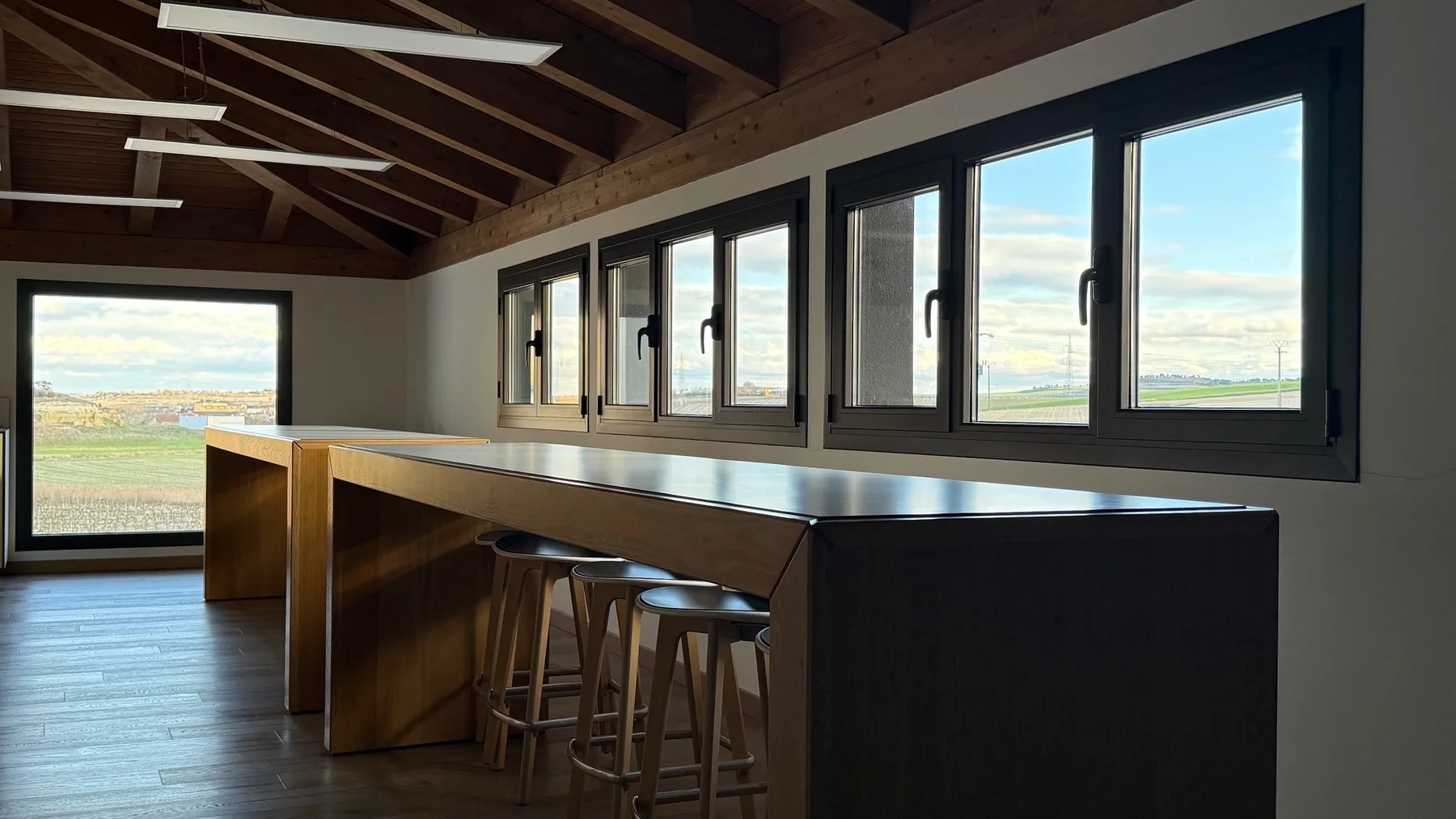
Yes, always with a booking. At weekends there are scheduled tastings for people coming alone, as a couple or with friends, booked through the calendar on the website. For groups of 10 or more, companies and events we prepare tailor-made visits, quoted separately.
What languages are the visits in?
In Spanish and English.
What is a clarete?
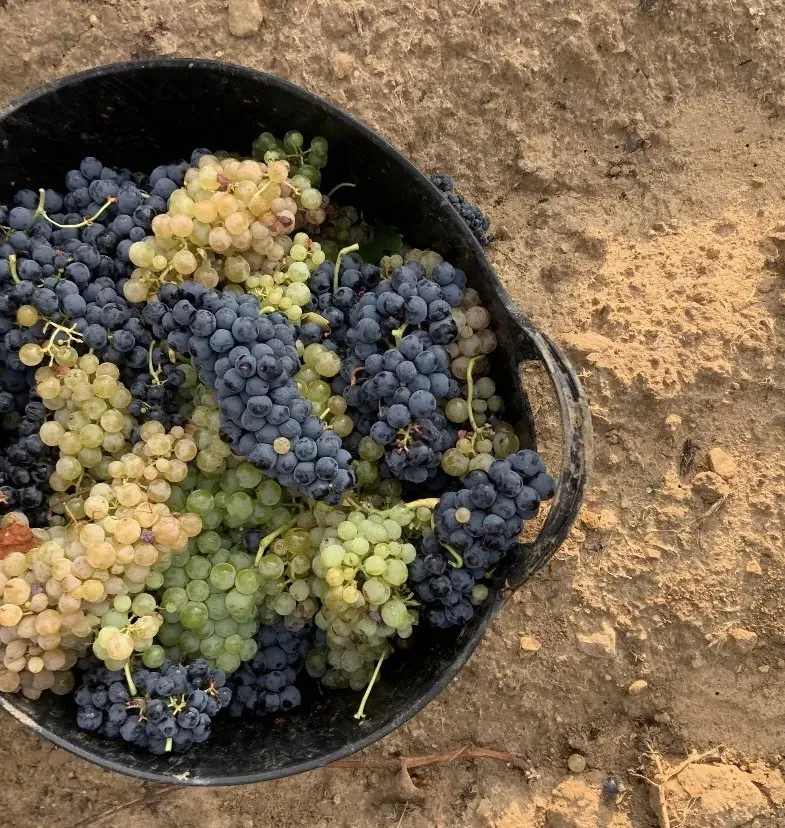
The traditional wine of Cigales: it is made from red and white grapes fermented together. In the past they were planted mixed in the same vineyard so they could be harvested at the same time.
What is the difference between a rosé and a clarete?
Both start from a blend of varieties. A clareteTraditional Cigales wine made from red and white grapes fermented together. ferments red and white grapes together, often from a single vineyard planted as a field blend. Both styles live side by side in Cigales and we make both.
Why do you make so many rosés?
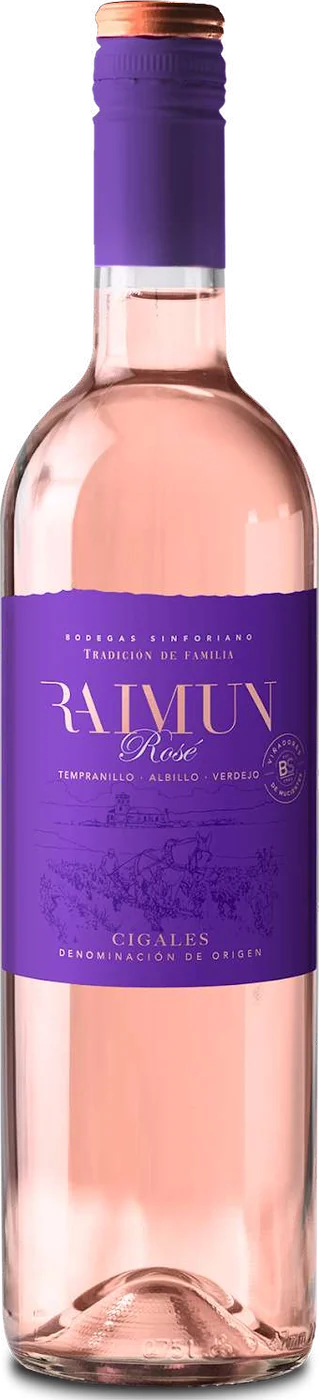
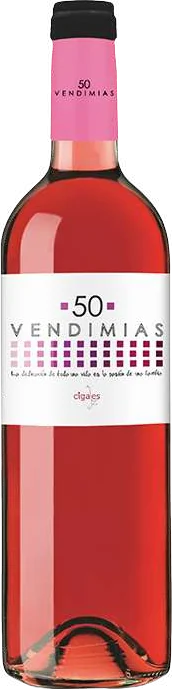
Because we believe rosé is a category with its own identity: it is versatile, has huge winemaking potential and lets us express our land in many ways. That is why we make very different rosés, from young, direct rosé to rosés with leesYeasts that rest in the wine after fermentation. Ageing “on lees” gives volume, texture and complexity., barrel or years of evolution.
Can rosés be aged?
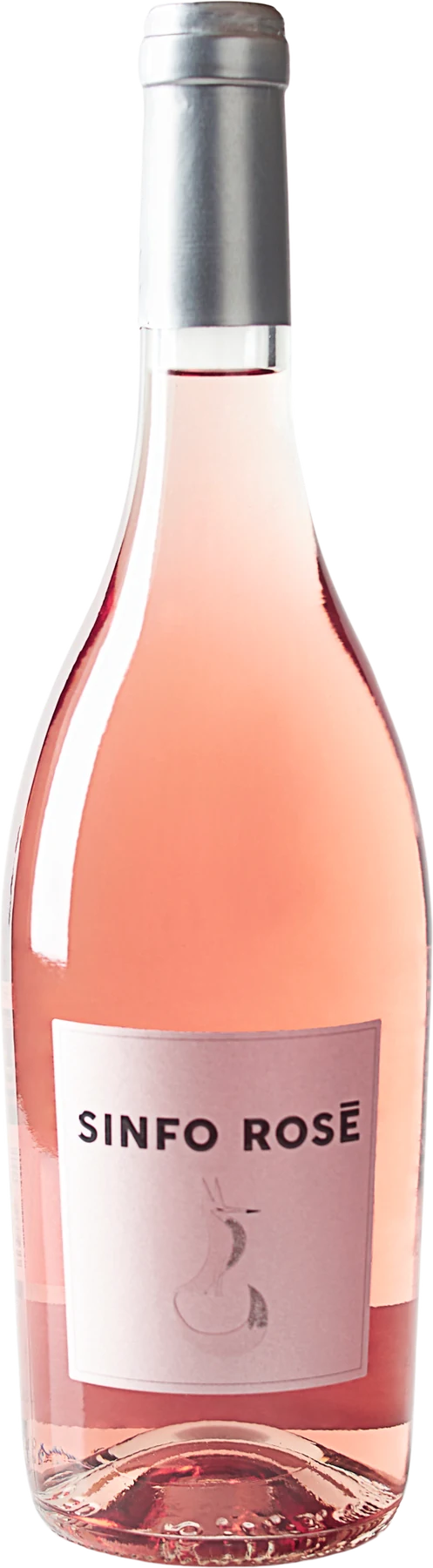
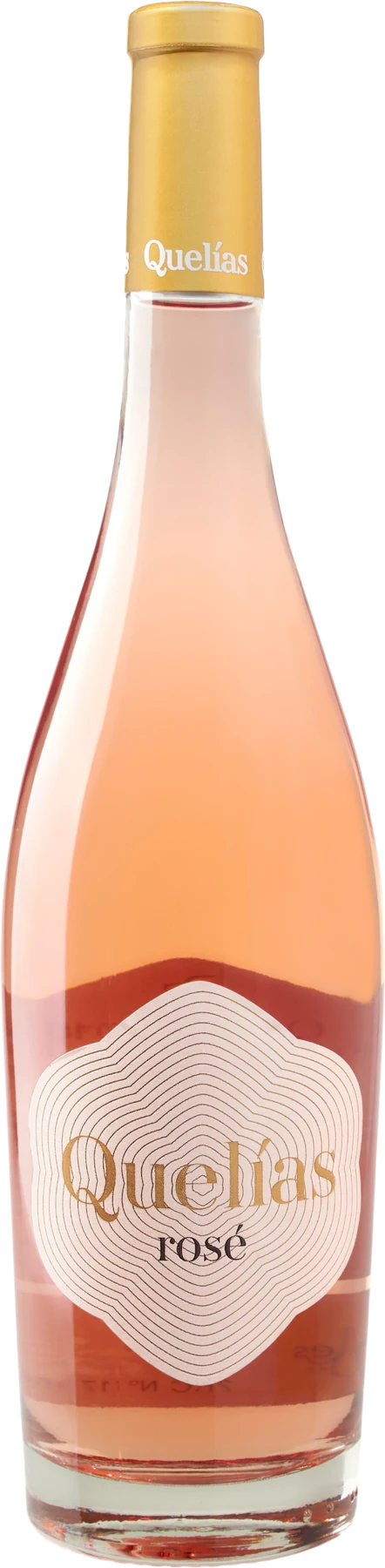
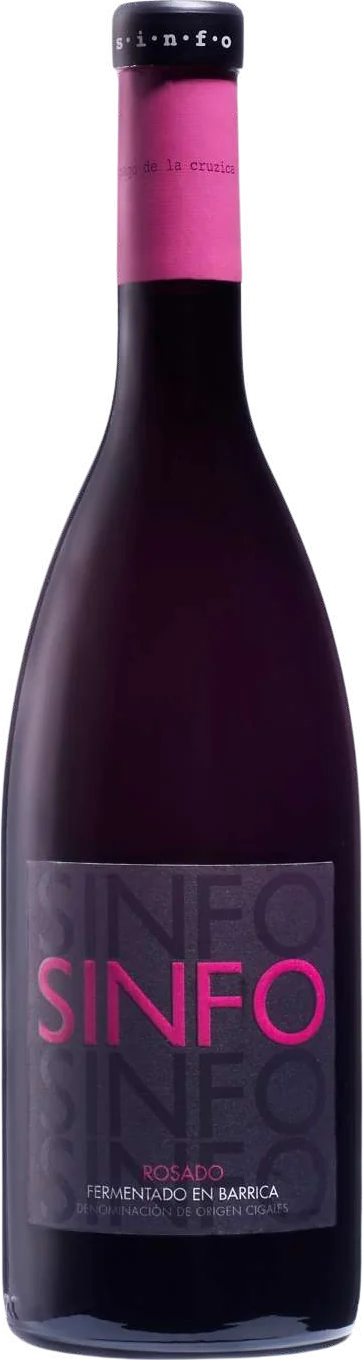
The young ones are best enjoyed within their first year and a half. Those aged on leesYeasts that rest in the wine after fermentation. Ageing “on lees” gives volume, texture and complexity. or in barrel, such as Quelías, Sinfo Fermentado en Barrica or Liala ClareteTraditional Cigales wine made from red and white grapes fermented together., evolve well over several years.
At what temperature should rosé be served?
Between 10 and 12 °C. Too cold and it loses aroma. Sparkling wines, between 8 and 10 °C.
What is Albillo Mayor?
A historic white variety of Castilla y León. It is in all our rosés, in some reds, and is the star of Liala Albillo and Liala Espumoso Albillo.
Do you sell to restaurants and distributors?
Yes. Write to us from Contact choosing “Press and trade” and we will send you technical sheets and terms.
Key facts
- Founded
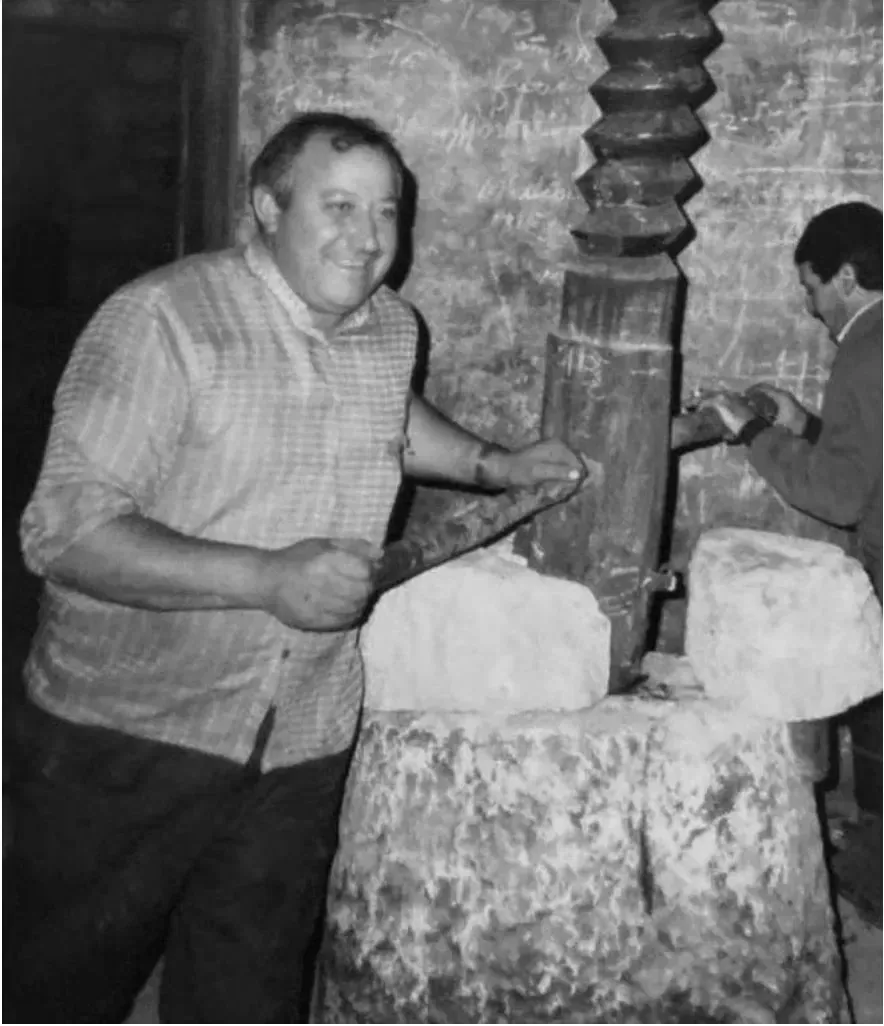
- 1966, by Sinforiano Vaquero and Daniela Gómez, in a small underground cellar in Mucientes
- Family
- Today it is run by their four children —Juan Antonio, Miguel, Pilar and Sergio— and the grandchildren are starting to join
- Location
- Mucientes (Valladolid), D.O. Cigales, about 12 km from Valladolid
- Own vineyards
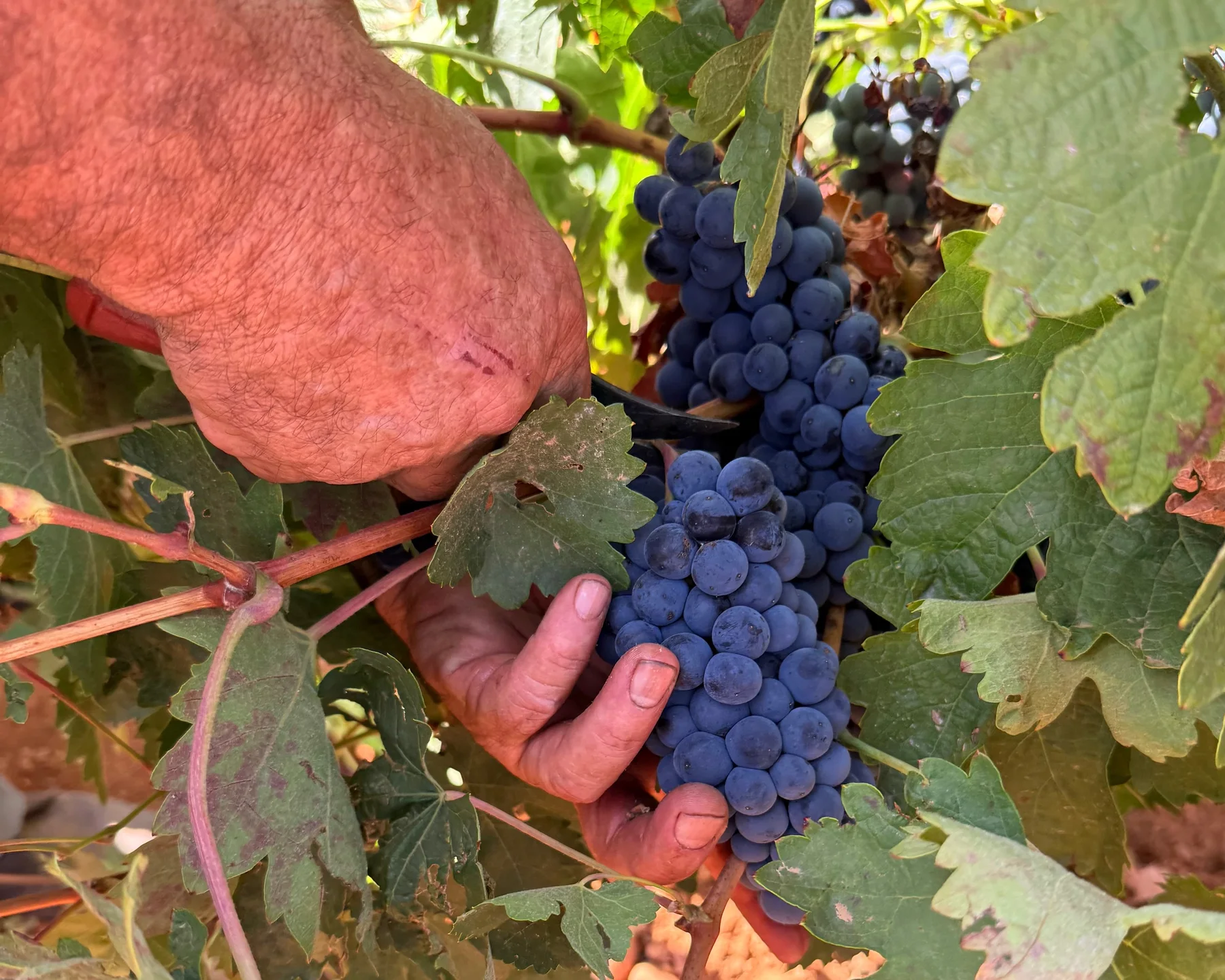
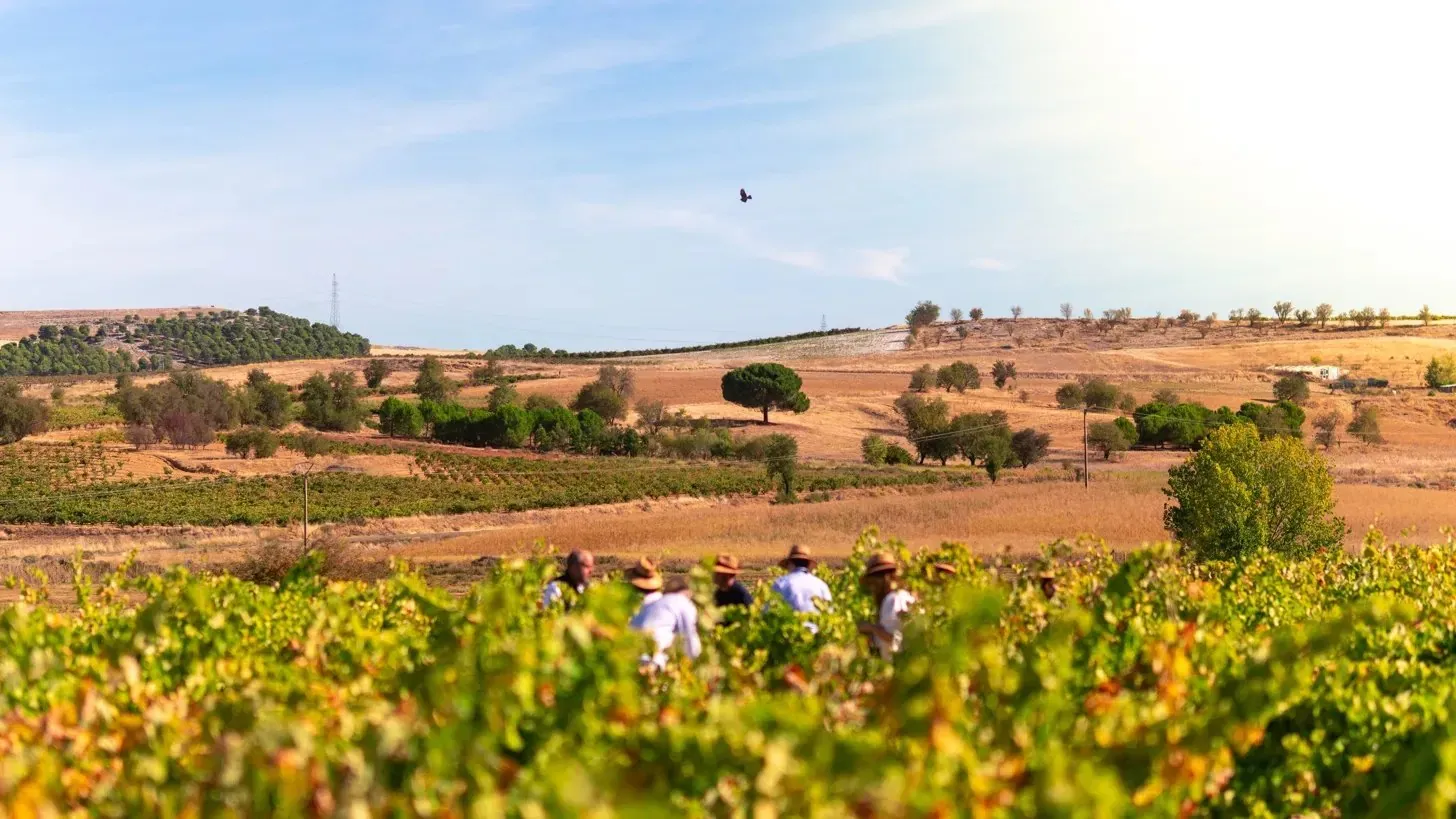
- About 90 ha: 40 bush-trained and 50 trellised; 40 % are over 60 years old and 15 ha are over a hundred years old
- Supervised vineyards
- A further 90 ha from local growers, overseen by the winery
- Altitude
- Between 750 and 800 m, between the Pisuerga valley and the slopes of the Montes Torozos
- Soils
- Clays, river stones, limestone, sands and gypsum-rich chalky clays
- Varieties
- Tempranillo (Tinto del País), Albillo Mayor, Verdejo, Garnacha Tinta, Garnacha Gris and Garnacha Tintorera, among others
- Speciality
- Rosé: from young to barrel-fermented, clarete and sparkling
- Milestone
- Liala Espumoso was the first sparkling wine of the D.O. Cigales
- Climate
- Continental with Atlantic influence, with large differences between day and night temperatures
- Sustainability
- Reed-bed water treatment, solar panels covering around 60 % of our energy and IFS Food certification